
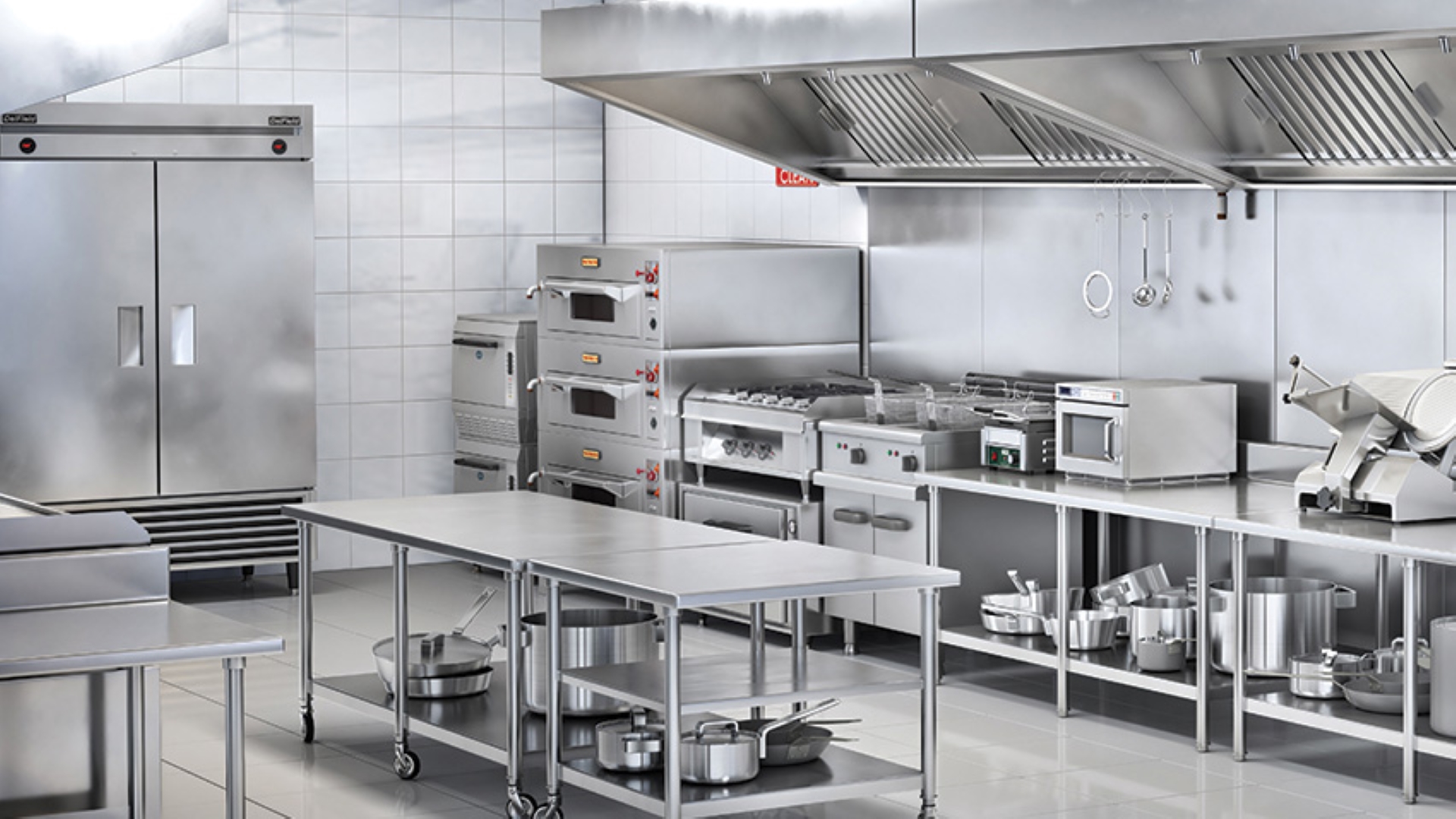
Africa's foodservice and hospitality sector is undergoing a structural transformation - and with it, a fast-growing appetite for the equipment that powers commercial kitchens. For Japanese manufacturers weighing where to expand next, the Commercial Kitchenware and Cooking Equipment (CKCE) market across Africa deserves a closer look.
A Market on a Clear Growth Trajectory
The African CKCE market was valued at USD 184.7 million in 2023 and is projected to reach USD 309.6 million by 2030, growing at a CAGR of 7.2% between 2024 and 2030. That trajectory is being driven by a convergence of forces reshaping urban Africa:
- Rapid urbanization across the continent's major cities
- A growing middle class with rising disposable income
- A shift toward consumerism among urban dwellers, particularly around dining and convenience
- Rising expectations for quality and consistency among hoteliers, restaurant groups, and food service franchise chains, which demand standardized meal output and reliable, efficient operations
Where the Demand Is Concentrated
Demand spans the full range of commercial kitchen equipment - stoves, ovens, kitchen grills, refrigeration units, dishwashers, and recipe mixers among them. On the buyer side, the strongest pull is coming from full-service restaurants, catering operations, resorts and hotels, hospitals, and other institutional food service settings.
Geographically, the opportunity is broad-based rather than concentrated in a single hub. Key markets include Nigeria, Kenya, Uganda, Ethiopia, South Africa, Morocco, and a growing list of other economies where urban food service infrastructure is expanding.
What African Buyers Actually Want
African operators are navigating real structural constraints - unstable electricity supply, limited access to credit and financing, and pressure to control operating costs. As a result, the equipment that wins in this market tends to share a specific profile:
- Low-capital - accessible price points relative to buyer purchasing power and financing constraints
- Low floor coverage - compact footprints suited to space-constrained kitchens
- High quality and durability - built to perform reliably under demanding, high-volume conditions
- Low energy consumption - engineered to reduce exposure to unreliable and costly power supply
Equipment that checks these boxes doesn't just sell - it directly helps operators overcome the everyday operational challenges that erode margins and disrupt service.
Beyond the hardware specifications themselves, three additional factors will separate manufacturers who gain traction from those who don't:
- Innovation for local cuisine preparation - equipment engineered or adapted to handle the cooking methods, volumes, and ingredients specific to local and regional dishes, rather than generic designs built for other markets
- Easy installation - straightforward setup that doesn't require extensive specialized infrastructure or lengthy commissioning timelines
- Strong after-sale service - accessible maintenance, spare parts, and technical support on the ground, which matters as much to buyers as the equipment itself given limited local service networks for imported machinery
These factors are often what tips a purchasing decision in markets where buyers are wary of being left without support once equipment is installed.
Opportunities for Japan
Suppliers from the Middle East, Europe, and China are already active in this space, which is itself a signal: the market has been validated as commercially viable, and demand is currently being met by a limited set of international players. That leaves clear room for differentiated entrants.
Japanese manufacturers are well positioned to compete on the attributes African buyers already prioritize - durability, energy efficiency, and engineering precision are long-standing hallmarks of Japanese kitchen and industrial equipment. But product fit alone won't win the market. Manufacturers that pair this engineering strength with cuisine-adapted design, simple installation, and a credible local after-sale service model will stand out from suppliers who treat Africa as an afterthought market for surplus product lines.
The remaining question is one of market entry: which country to prioritize, which distribution or partnership model to use, how to price and finance for local purchasing realities, and how to build the local service and relationship infrastructure that converts interest into contracts, and contracts into repeat business.
For a Japanese manufacturer evaluating the commercial kitchenware and cooking equipment opportunity in Africa, we can help you assess product-market fit, identify the right country and segment to enter first, and design a go-to-market approach suited to local operating conditions.
Contact us to speak with a consultant or subject matter expert in your target market.